
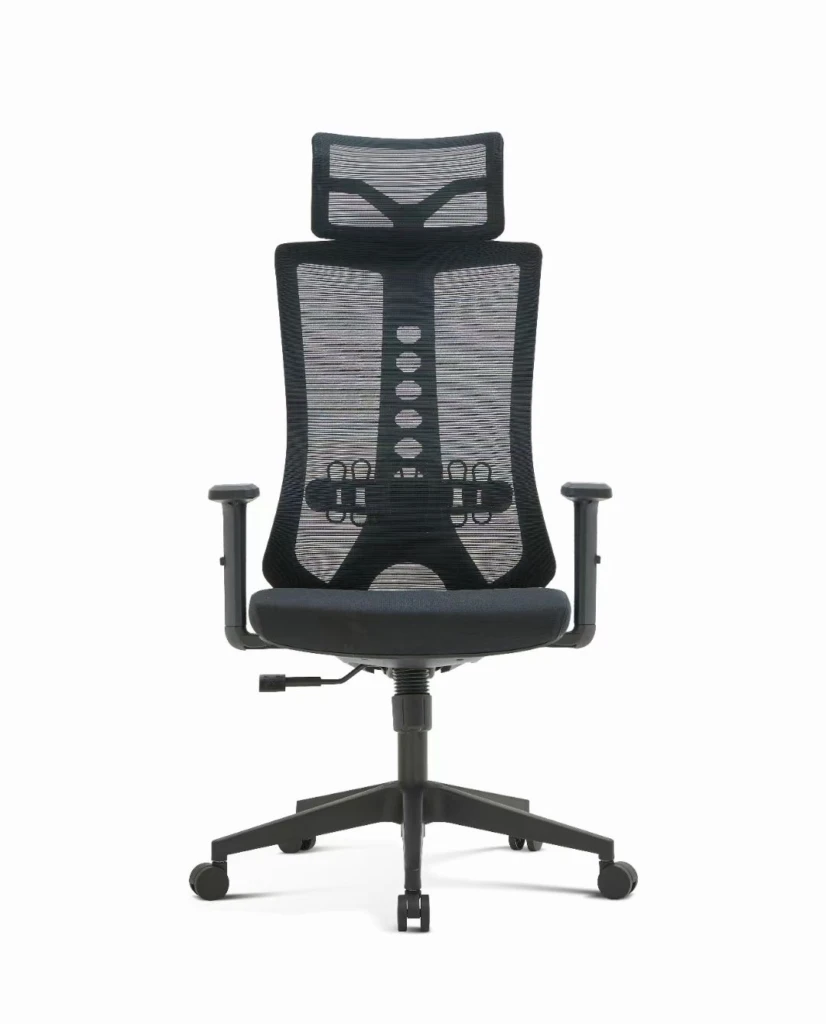
Most people spend more time in their office chair than they do in their car. Yet the chair gets far less thought. The result? Back pain, stiff necks, and a creeping drop in focus that costs more than any chair ever would.
An ergonomic office chair fixes that. But the word gets thrown around a lot. Not every chair labelled “ergonomic” actually earns the title. Here’s what to look for — and why it matters more than you might think.
Why Ergonomic Chairs Have Become Essential
Across the UK and Europe, the way we work has shifted permanently. Home offices are now a fixture in millions of households. Open-plan workspaces have given way to hybrid setups. And with that shift has come a sharper awareness of what sitting badly does to the body over time.
Physiotherapists, architects, and interior designers have all reached the same conclusion: the chair is the foundation of any productive workspace. It’s not a luxury item — it’s a health decision. Ergonomic chairs have moved from corporate boardrooms into home offices in London, Amsterdam, Berlin, and beyond, because people have seen the difference they make.
The Features That Actually Matter
Lumbar Support
This is the most important feature on any ergonomic chair. The lumbar region — the lower curve of your spine — flattens when you sit unsupported. Over hours, that puts real strain on your discs and muscles.
A good ergonomic chair has adjustable lumbar support that fits into the natural hollow of your lower back. Not a fixed pad. Adjustable depth and height, so it works for your body — not a generic estimate of it.
Seat Height and Depth
Your feet should rest flat on the floor with your knees at roughly 90 degrees. Your thighs should be parallel to the ground — no pressure cutting into the back of your legs. Seat depth matters too. There should be two to three fingers of space between the front edge of the seat and the back of your knees. A chair that gets this wrong will cause fatigue faster than almost anything else.
Armrests
Armrests are often underestimated. When set correctly, they take the load off your shoulders and neck — muscles that otherwise work all day just to hold your arms up. Look for armrests that adjust in height, and ideally in width and angle too. If you’re typing, your arms should rest lightly. Not strain upward, not drop too low.
Backrest Recline
Sitting bolt upright all day is not as good for you as it sounds. A slight recline — around 100 to 110 degrees — reduces spinal pressure significantly. A quality ergonomic chair lets you recline with tension control, so the chair moves with you rather than resisting every shift in position.
Headrest
Not essential for everyone, but genuinely valuable for anyone who reads, takes calls, or spends long stretches at a screen. A headrest keeps the cervical spine supported and reduces the temptation to hunch forward as the hours pass.
Materials and Build Quality
The seat foam and fabric matter more than most buyers realise. Dense, high-quality foam holds its shape for years. Cheap foam compresses quickly and leaves you sitting unsupported within months. Mesh backrests offer excellent breathability — important during long sessions. Leather and upholstered options offer a warmer feel, better suited to cooler environments or more formal offices.
How to Style an Ergonomic Chair in a Modern Interior
Ergonomic chairs have a reputation for looking clinical. That’s changing fast.
Contemporary designs from European manufacturers now deliver genuine ergonomic performance in beautiful, considered forms. Neutral tones — warm greys, off-whites, deep blacks — sit naturally against timber desks and natural light. Woven mesh backs add texture without visual weight. Some chairs come in upholstered finishes that belong equally in a home study or a design-led office.
Pair a well-chosen ergonomic chair with a clean-lined desk, good task lighting, and a plant or two. The result is a workspace that looks intentional and feels exceptional to spend time in.
What to Check Before You Buy
- Adjustability range. More adjustment points don’t automatically mean a better chair — what matters is whether the range suits your height and build. Cross-check specifications with your own measurements before purchasing.
- Weight and height limits: Always verify these. A chair sized for someone of average height will not perform the same for someone 6’3″ or above.
- Warranty length: A premium ergonomic chair should carry at least a two-year warranty, ideally five. Short warranties often signal short lifespans.
- Return policy: Ergonomic comfort is personal. What works perfectly for one person may not suit another. A return window matters — look for retailers who offer one.
- Certification: Look for chairs tested to BIFMA or equivalent European EN standards. These are genuine performance benchmarks, not marketing labels.
Why Buy From Us
We carry a carefully selected range of ergonomic office chairs — chosen for real-world performance, not just specifications on paper. Every model we stock has been assessed for build quality, adjustability, and long-term durability.
We deliver across the UK and Europe, with tracked shipping and honest lead times. Our team knows the products in depth. If you’re unsure which chair suits your height, workspace, or budget, we’ll give you a straight answer — not a sales pitch.
Every chair comes with a manufacturer warranty, and we handle any issues directly. No third-party delays. No runaround. We think a chair is a long-term investment, and we sell accordingly.
The Bottom Line
An ergonomic office chair isn’t about ticking a feature list. It’s about a chair that fits your body, supports your posture through a full working day, and holds up for years without compromise.
The right chair changes how you feel at 4pm. It removes the aches that build quietly over months. It makes sustained focus easier, because physical discomfort is no longer pulling at your attention. Browse our full range of ergonomic office chairs — built for real workdays, designed with intention, and delivered anywhere in the UK or Europe.
Frequently Asked Questions
1. What is the most important feature of an ergonomic office chair?
Lumbar support. It maintains the natural curve of your lower spine throughout the day. Without it, the lumbar region flattens under sustained sitting, placing real pressure on spinal discs and the surrounding muscles. Look for adjustable lumbar support — both in height and depth — so it fits your body specifically.
2. How do I know if an ergonomic chair suits my height?
Check the seat height range in the product specifications. Your feet should sit flat on the floor with knees at around 90 degrees. Most quality ergonomic chairs cover heights from approximately 5’2″ to 6’2″, though some are built for taller or shorter frames. If you’re unsure, get in touch and we’ll point you in the right direction.
3. What’s the best material for an ergonomic office chair?
Mesh backrests are the most breathable option — ideal for long sessions. High-density foam seats offer durable support that holds its shape over time. Leather and upholstered finishes give a more premium, warmer feel and work well in home office settings. The best choice depends on your environment and how long you sit each day.
4. Do you deliver ergonomic office chairs across Europe?
Yes. We deliver to destinations across the UK and Europe, including Germany, France, the Netherlands, Belgium, Spain, and beyond. All orders are tracked from dispatch to delivery, with clear timelines provided at checkout.
5. What warranty is included with your ergonomic chairs?
All chairs in our range carry a minimum two-year manufacturer warranty covering structural defects and component failure. Several models carry a five-year warranty. Full details are on each product page. We handle all warranty claims directly — no third parties involved.
6. Can I return an ergonomic chair if it doesn’t suit me?
Yes. We offer a return window on all chair purchases because ergonomic fit is personal. If the chair doesn’t work for your body or setup, contact our team and we’ll organise a return or exchange. Full terms are available on our returns page.


